Showing posts with label General. Show all posts

Wednesday, June 26, 2019

Healthy nutrition


Managing my health has become the focus of my daily activities. Including as much fresh organic produce as well as growing my own have been instrumental in making a road to feeling better. There are certain foods that appear regularly because I want to eat them. When I have lost interest and awareness in them I understand that they are not instinctively needed. When the sudden urge arrives for a lemon , I know there is something in that fruit that is a missed element. My weekly favourites are avocado, blueberries, spinach and mango. Very seasonal are strawberries( just a few), fresh lettuce, purple snap pea, mint for tea and parsley. The garden suddenly is very abundant and I have spotted a few miniature tomatoe fruits. It’s all immediate and grounding and provides plenty of opportunity for gratefulness .

Thursday, May 09, 2019

Bacteria


To improve my digestion I have taken the same science as if improving the soil in my garden. I equate that what happens in here is the same as what is happening out there. I changed to starting to eat in season and increasing the diversity of ingredients in my food. Instead of eating just rice, there would be millet, quinoa and couscous too, more variety in vegetables and fruits and telling myself that yes I can eat that but checking whether it fits that formula. This week it’s local asparagus although in the supermarket it comes from Mexico. Little changes do build up. Having a local veg box also provides me with local bacteria that will further enhance my wellbeing.

Tuesday, April 30, 2019

The conversation with nature


Yesterday I observed the birds in the garden and apart from them picking up little twigs and breaking my wool mat to bits, they were obviously building a nest.

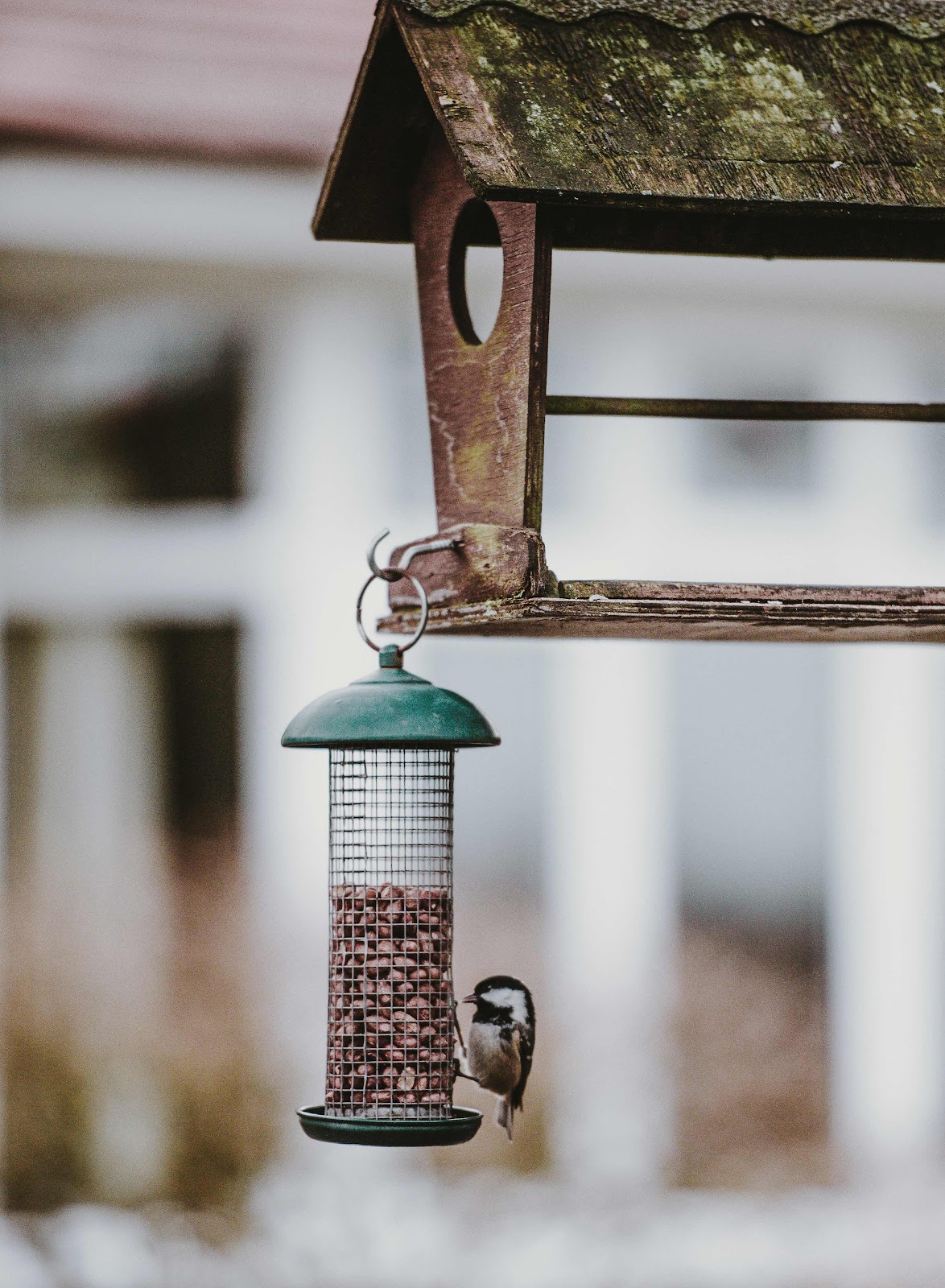
Then there was a bluetit that kept going to my blackcurrant bush and I thought he was destroying it. However on closer inspection, there were little green flies on it meaning the bluetit was doing some work in my garden.  Sometimes we just have to observe and notice that a garden is created by all of nature and not just us.

Saturday, April 06, 2019

New home


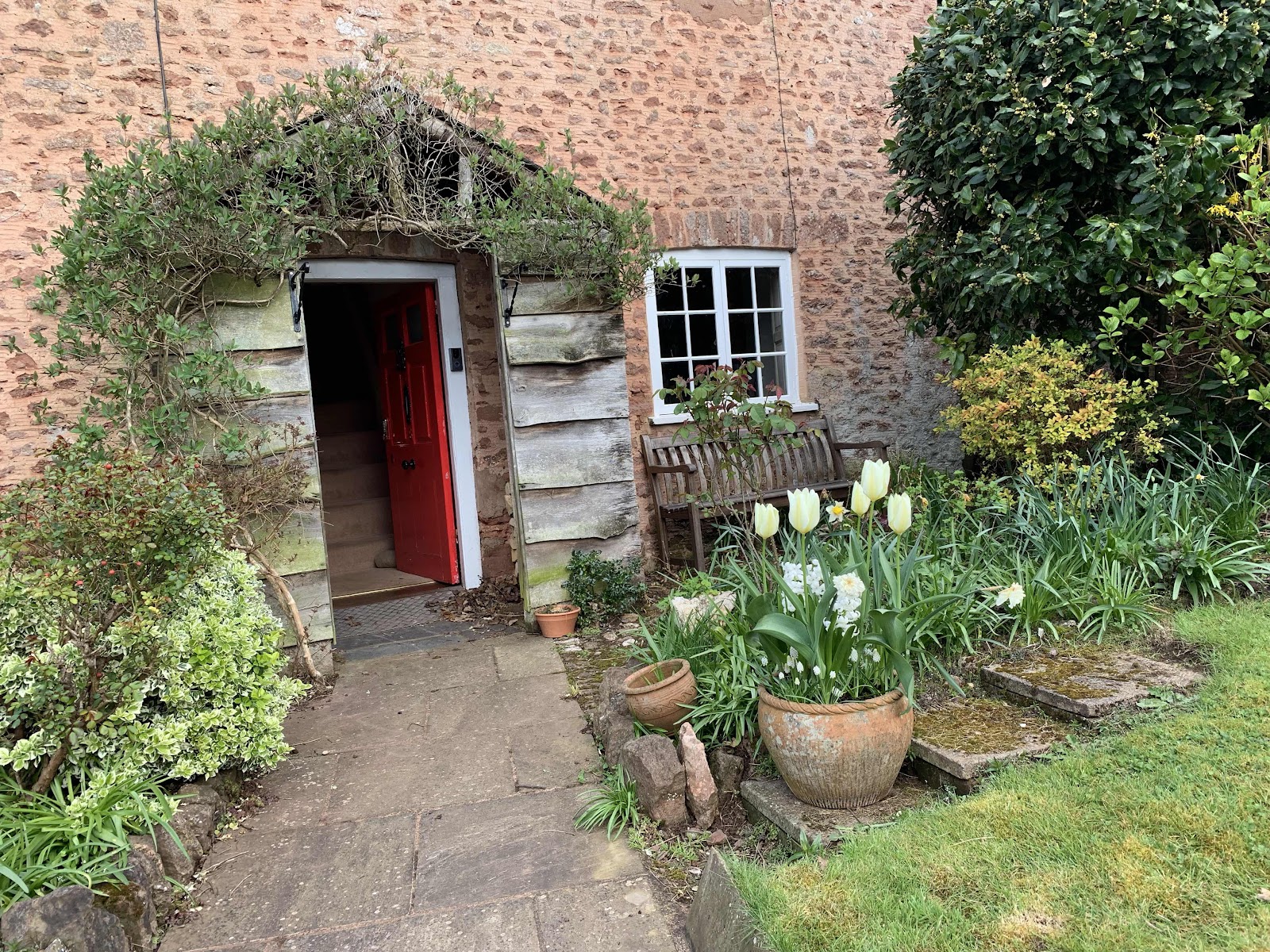
We moved to our little cottage because I was unable to live in the previous house as my new reality means getting about in a wheelchair. I live in 3 rooms, the kitchen, bathroom and bedroom and my living space expands into the garden in summer. As a ramp has now been installed I am getting out a little in the garden and creating a growing space there.

Friday, April 05, 2019

A lot has happened to dampen my goals in life however, after 7 years I am back in the land of the living. My life was devastated by a neurological condition leaving me wheelchair bound and ill for a very long time. I had to move and adapt to living with a damaged body and I have become differently able. My goals are still the same, my direction is still the same and whilst my options are seriously reduced I am adapting to a reduced energy life. I am finding alternatives. I continue to grow food and explore available options but ' life is not as we knew it' Pointing north this platform will document my process. Thank you for being here.

Tuesday, September 08, 2015

A little more ....

This is new for me, updating the blog via my iPhone. If truth be known I would have to tell you that afternoons are still spent lying down in bed as I cannot remain upright all day. This could be fun. What has changed in the last few years: - have moved to an even smaller house and live in about 650 square feet in the ground floor -am mostly housebound although I get Bout in A wheelchair - have created a small vegetable area for salads etc - have cut down even further and challenged all my perceptions -quite good at living in the moment Enjoying and creating the life I want

Saturday, March 16, 2013

Banana cake with crunchie

The weather has frankly been a bit dark lately and many are asking when winter will end. To fill the house with some cheer there is nothing better than the fuggy smell of a banana cake. Besides using up the needless black bananas that hang around in this house, it warms my heart and brings back wonderful childhood memories of Grandmother's kitchen. I love having cake in the house to dish out with that relaxing cup of tea or coffee. We are 15 miles from an urban coffeeshop  so we create our own coffeeshop atmosphere.

Ingredients :

  • 200g Self raising flour
  • 1/2 teaspoon of bicarbonate of soda
  • pinch of salt
  • 2 eggs beaten
  • 75g butter
  • 175g caster sugar
  • 3 large amshed bananas
  • 2 crunchie bars

Grease and line a deep 1/2 kg loaf tin

Place flour,bicarbonate of soda,salt, eggs,butter and sugar in a bowl and mix together.

Add mashed bananas and put the mixture in the loaf tin. Then break the crunchie bars up, put on the top of the mixture and swirl inside the mixture.

Bake at 180 degree Celcius for about 45 mins to 60 mins until an inserted skewer comes out clean.
Cool for 5 mins and then transfer to a cooling rack.

Hide away in a tin until you can no longer resist.

Friday, March 08, 2013

5 benefits to Living in a community

Living in a community demands that we reach out to people but in my experience that reaching out works both ways and provides an element of security.

When mentioning a life in a community it can be as intense as living as a member of the Amish Community in which the rules are set by each community such as no electricity, no cars, mobile phones etc to living in a particular place or joining an interest group online of like minded people.

In a time of economic downturn the equation between money and time shifts and my priorities in times of economic downturn shift too to spending more time investing in myself through reading, learning new skills and connecting with other people.

The 5 benefits of living in a community:

A sense of belonging

Many people feel isolated from the world by the fact they have no friends or relatives in their community. This can lead to loneliness and eventually depression. A community spirit can instil a sense of belonging in these individuals, they are no longer  alone, and they lead healthier, happier lives.

Security

Living in a community protects the individual from the harshness of having to do everything.(The “every man for himself” mentality. ) It can help a person who falls on hard times if they are in  a community to feel supported, rather than living a corporate lifestyle where a person is only as good as their latest contribution. Community living also means that most of the people know each other. A small town environment like that often means less crime and also less need for surveillance. Surveillance is a consequence of living amongst strangers.

The sharing of resources

Sharing resources can greatly reduce the cost of living. Many of the luxuries that people enjoy are not used 24/7, or even if they are used frequently, they can often be shared. The quality of items that can be afforded goes up while the cost goes down. You can live cheaper and better, and the only cost is being more social.

Resources can be shared through the LETS system and FREECYCLE groups.
The transition towns initiative are creating communities that prepare themselves for sustainability after peak oil.

Cooperation and Competition

It is natural for individuals to cooperate with each other. We are a tribal species. In fact, cooperation on an individual level is very beneficial, because generally each person is interested in and skilled at different tasks than their peers. As a result close knit groups of individuals whose skills and personalities complement each other can be particularly healthy, happy, and successful.

Employment and fulfillment

One of the greatest benefits of living in a community setting  is that it gives us the freedom to care for our lives, our wealth, and often both at the same time. There is no reason for the community to resent individuals for participating in a way that does not directly benefit the bottom line. We can work together as business partners who share equally in the burden of maintaining the community economically. The needs of a community are numerous, and the avenues of occupations that could benefit a community are likewise numerous. Using local skills and expertise can benefit the individual member economically but also forges networks of professional relationships who have a sense of place and local solutions.There are  many diverse ways in which an individual can contribute. By working within a  community each individuals skills and abilities can be applied in a unique way, and no person need feel like a cog.

And community living is not just something for the countryside, there are areas in large cities that create hubs of community, where a local cafe becomes a meeting place, a place to relax and cultivate the relationships that bind us together as human beings.

Thursday, February 28, 2013

Planning to live in a small home

I can honestly say that I have over the years not always seen eye to eye with my parents but when they decided to think about their retirement living space I was astounded and pleasantly surprised by their unusual course of action.

At the time they lived in the country in a 4 bedroomed family property with a bit of land near woodland. They had built their dreamhome when I was about 12 and before that had lived in a town. My mother liked her garden and my father liked the idea of playing his music when he wanted without disturbing neighbours. I grew up near the riverbank, planted a small garden and safely went for nature walks in the wood.

At some point something triggered a change of direction. The house was 2.5 miles from the nearest shopping facility and my father's health deteriorated. My mother did not drive and they posed themselves the question how they would manage later on in their lives.

They visited many retirement homes and eventually decided to settle in a university town with plenty going on. They settled for a 2 room apartment ( bedroom and living space) and decided to make the most of the space available by purchasing new furniture. Then they transferred all the things that were precious to them ( very little) and settled in.

But what about the family home?

  1. First they invited friends to choose what they wanted and needed a little bit like a freecycle open house.
  2. Secondly they invited acquaintances and other villagers to come and choose what they wanted and needed.
  3. Then they got a company to clear out the rest of stuff and set about selling the house.


A few months ago, we bought a small cottage where we live in 600 sq feet and the children live above in a similar space. Effectively its a bedroom, kitchen, bathroom and bedroom downstairs, and we are following some of the same principles with the difference that we are far from retirement.


It is certainly not tidy and a work in progress but we only brought with us what we thought we needed. And even then I have established I have far too many serving dishes and crockery.

Instead of having many rooms each room offers an area set up for different activities, whether it be reading, cooking, recycling etc.

The children did the same and left behind a lot of stuff they had outgrown, games, videos etc We each have our own space and common areas such as the kitchen, shower room and living room. Yes it can get crowded but it is also cosy sitting by the fire, enjoying a hot drink and reading or conversing together.

The running costs are lower and we have managed without much central heating so far by lighting the woodburner and the range in the kitchen.

What about the garden?
There is a small front garden full of wildlife and a paved garden at the back of the house which hopefully will in time have enough produce growing in pots.

Life is simple. the owl lives in the big tree, the birds awaken us at dawn and there is a sense of personal peace and contentment as I go about our new home. So far I have not missed many items left behind.

Wednesday, January 16, 2013

From, want to stuff and clutter.

De-cluttering is an ongoing activity in this household. Every time we have dowshifted to smaller accommodation there has been a sort of purging going on to deal with clutter. There are a few challenges with that in that 'getting rid' of stuff is not really just a case to put it in the bin for landfill but the questions asked are :

Can I donate it to someone who needs it or wants it? ( Clothes, books etc) Ask first.
Has it any value to sell it on?
Can I freecycle it or take to one of the local swap parties?
Can I repurpose it?
Can it be composted?
Can any parts of it be repurposed?
Is it mine to declutter?
Why did I buy this?
What am I going to do with it?


The questions can be endless and the right time to be asking them is when we acquire the item unfortunately, not when we no longer see a use for it. Believe me when I say at some stage it was a thing to behold.

Our tastes change, our circumstances change so it makes sense to change our clutter and stuff too. The reason we buy something new, want it is what keeps money flowing out and stuff flowing in.But how does its journey proceed from wanted/needed item to stuff to clutter.

Take for example my efforts with breadmaking. First I used to buy all bread at the supermarket with its wrapping, unhealthy ingredients etc. Then I decided to get a bread-maker and with a family of five found that one was not enough really I needed two.  I then became concerned about the sugar,salt ,wheat content of the bread machine bread and the resources used. Indeed the bread had no wrapper and had not travelled halfway through the country from depot to depot but it did use electricity and for the convenience of that wondeful feel good smell it mainly took up a lot of space. Not ot mention the bags of flour varieties.

I then progressed to making bread the slow way, taking all day over it just using a bowl, hands and a kneading board. But even making bread at home that way created a certain amount of clutter :
kneading board
dough scraper
bread tins
knives to cut the bread with
books on bread making making double quantity and freezing one loaf
and so on.

If decluttering was a once off activity then we would all have simpler homes but as we grow our knowledge and interests, things become stuff and then clutter.

Two things have helped enourmously as a habit:

to stay away from shops
committing items to a wishlist
wait 24 hrs before buying anything
to question what to do with the item when it is no longer needed
to look at its origin and resources used
to find an alternative source ( can I borrow it, is is available on ebay, library, does my neighbour have one?)
to build in a habit of revisiting each room on a regular basis and declutter items


The mystery about clutter is that once clutter was a longed for, searched for, loved item and sentimental reasons can stop us from separating from the belonging. One answer is to commit it to the digital invisible cloud. Take a picture of it and have a special folder on your computer. Particularly useful for that achievement certificate in grade 5 or family photographs. But mainly ask the question" Why do I feel the need to hang on to this item? Those answers might surprise you and then you might be able at a click of a mouse to make it disappear like magic.

Really advanced decluttering needs a discipline of bringing one item in and one item out but that could sound too scary right now.


Friday, January 04, 2013

How to plan a sustainable wardrobe

Over the last years I have tried to plan my wardrobe requirements using different criteria than before in an effort to:
  • minimize expense and impulse buys
  • more sustainable fabrics( no dry cleaning only fabrics)
  • make them instead of buying mass produced( clothes miles)
  • better fit and less angst about body size
  • any colour scheme
  • locally sourced and produced( less travel miles)
  • I want to know where my clothes come from
  • deliberate decisions based on my needs not my wants
The starting point has to be the colours in fashion for spring/summer 2013 ( thanks to Pantone Colour reports)


The colour of the year is heralded to be emerald green. More information can be seen on Pantone's website :http://www.pantone.co.uk/pages/fcr.aspx?pg=21005&ca=4

Looking at my public wardrobe requirements I intend to have the following additions of new clothes :
1 pair of hemp trousers ( could be dyed in any of the above colours)
1 cotton summer cardigan
1 short sleeve/long sleeve colourful warmer top ( in case we have a chilly summer and for the transition to autumn)
The items in my wardrobe go along three phases in rotation :
  • new clothes for outings ( in that seasons colours)
  • last year's clothes for wearing casually and around the home
  • gardening and work clothes( after which they get recycled, upcycled into something else, or given away)

I could see what is available in secondhand shops instead of buying new and then dye it but in pursuit of the make and mend movement and to enhance my skill levels I am considering making them myself. Over the years I have found that making your own garments creates an attachment and appreciation for the resources used in producing the item and an appreciation of the quality of materials used. Apart from that I enjoy making things that are individual and am steering away from the mass produced look.

Colours are personal and I have a black base of mix and match items to which colourful items are added as and when.

When the items are completed they will take their place in my capsule wardrobe and I will then do the same for the autumn/winter wardrobe. I can always scour the charity shops and car boot sales for accessories in other colours or support individual makers on etsy.com. A search for emerald green items threw up quite and array of possibilities:http://www.etsy.com/search?q=emerald%20green&view_type=gallery&ship_to=GB


In time I have come to appreciate that there are four seasons and that each season has its own focused activity. Winter is to hibernate and prepare for spring, spring is all about starting the garden, summer about enjoying sunshine, the garden and the long available daylight hours and autumn is about harvesting, preserving and slowing down to winter.

I have 3 months of winter left after which the gardening season will kick in so there is no time to lose.
3 months and 3 projects.

January - cotton top
February- trousers
March- transition cardigan

Let's see if I can pull this off and how I get on.


Tuesday, February 02, 2010

10 ways to enjoy a film again and again

Movies are a form of entertainment that has always appealed to me, in similar ways to books. Yet, when you read a book, you use your own imagination to create a picture based on the descriptive language chosen by the author. Films on the other hand, combine the vision of the author with that of the film director to bring you an experience.

How can you enjoy that experience for less?

1. Going to the cinema will provide you with the large screen experience and is a great way to get together with friends yet an expensive option.
2. Rent a film via lovefilm or netflix and invite friends over for a social evening, popcorn and potluck drinks and you have a similar social experience on a smaller budget.
3. Use the library to borrow films to watch and return when you have enjoyed the movie.
4. Purchasing movies creates ownership and then you can put it on your shelves for later viewing.
5. Swap a movie with a friend. One of my sons swaps the loan of a costume for the loan of a film so both friends get a different night out.
6. Sell your DVD's via Magpie if you need cash quickly use the money as you wish.
7. Bring and buy your DVD's to a charity stall and purchase another film to watch, a great way to enjoy a classic film.
8. List your DVD with the film circle, pass on your DVD to someone else and choose another one to watch. Search by category or actor, film director etc.
9. Pay to download movies onto your phone or Ipod via Itunes, watch it for a week and then it simply disappears.
10- Catch a movie on BBC Iplayer, Channel 4 on demand, ITVplayer, as long as you hold a current UK TV licence.

Thursday, January 21, 2010

Come out, come out whoever you are?

In the midst of the snow we also had a small hazard appear in the shop.While I was mopping the floor my foot simply disappeared into a hole the size of a dinner plate. Not a good thing in a shop!
On further investigation by the man who came to fill the hole, a stash of walnuts was discovered and a nice set of oak leaves, a few corridors going in different directions. So who could this mystery escapee be?


Squirrel Nutkin is probably hibernating and lack of food must have directed him to very old passages underground. Where better to keep your produce for winter than underneath the village shop. Rumor has it that squirrels can burrow up to 160 m from their base tree but alas no more escapes will be made this way. The hole has been filled with concrete and when summer arrives, the area will be excavated and secured.

So are you lurking somewhere in the ether? Why not make yourself visible with a comment. Let me know what interest brings you to this blog and if  you have a blog, leave a link as  I would love to read it.

Wednesday, January 20, 2010

What vegetables to grow in the garden?


No matter how small or how big your plot it can be daunting to decide what you are going to grow.
Much depends on where you are situated on the globe, what hardiness growing zone you are situated in. This will help determine what plants are most likely to survive in your climate band. Our  garden is situated in hardiness zone 8 meaning that the lowest average temperature is - 7C. It does not mean that we can grow olives but it does mean that our soil may warm up quicker than in other places in the UK.

Having established which zone you live in a trip to the local garden centre and visiting local gardens will give you an indication of what you can grow in your climate.

My first list is made up of the vegetables that can be produced in our climate:
Potatoes
salad leaves
chard, spinach and broad beans
courgettes
borlotti beans
peas
globe artichoke
asparagus
spinach
leeks, onions and garlic
butternut squash and pumpkins
sweetcorn
french and runner beans
carrots
beetroot
florence fennel
cabbages, broccoli, brussels sprouts


With heat the following could be grown :

tomatoes
cucumbers
courgette
peppers
chillies
tender herbs such as basil and chervil
aubergines

Secondly, I have a list of foods that we eat regularly as well as vegetables that are produced by local farmers  such as asparagus, onions and potatoes. I will still grow a small amount of these such as small tasty carrots, salad potatoes, spring onions, but not vast quantities as I am limited on space. It is however important to include them in small measures for diversity and the nutrients they bring to the garden.

My vegetable plot is allocated to 4 categories :
50% are vegetables we eat daily and weekly ( i.e. salad leaves)
30% are vegetables that we eat 2 or 3 times per week ( i.e. potatoes, carrots, onions, peas, beans)
20% are vegetables that we eat every couple of weeks or are more specialised ( pumpkins, sweetcorn, tomatoes, cucumbers, etc)


The above gives an indication of what  we can grow, how much space in the garden will be allocated to that produce to avoid gluts of items we will not eat.

I like growing vegetables that are best eaten freshly picked from the garden and give my tastebuds an explosion such as tomatoes, salad leaves, herbs, sweetcorn and cucumbers that in general are quite tasteless in shops. 


( broadbean seedlings - January 2010)

Resources

Garden action provides a tool to set your town in the UK and it will then produce a vegetable gardening calendar for each month based on your area.

My interest lies in edible plants and Plants for a Future has an interesting selection of unusual plants that could be used in the garden.

What fruits to grow in the garden follows in a few days.

Saturday, March 14, 2009

Boom and bust

Perseverance: Cliffhanger


As I get older I begin to gain an understanding that patterns are an intrinsic part of life. There is the circle of life, with life and death, seasons, days and nights. There is famine and feast in harvesting times as well as in economic times.

Right now we are stranded in a new reality, where the patterns of feast, harvesting plenty and joy of life are not always that apparent. Rudyard Kiplings poem , 'if' has some excellent words to ponder over.

If you can keep your head when all about you are losing theirs and blaming it on you;
If you can trust yourself when all men doubt you,
but make allowance for their doubting too;
If you can wait and not be tired of waiting
or be lied about, don’t deal in lies;
or ,being hated, don’t give way to hating,
and yet don’t look too good, nor talk too wise;


If you can keep your head now, when the economy, job prospects and life seems topsy turvy, then you will make it through to the next cycle. What you will gain is an insight into the downs and use them next time before an up. There is still a certainty that night will follow day, day will follow night, winter will follow autumn, spring follow winter. There is however uncertainty as to how long it takes to change from one to the other. For that reason, people prepared for winter, saved for a rainy day. In a world where everything is to be had at the touch of a button, produce can be bought out of season, there is a danger that skills, and the way things are are brought out of balance.

I am not advocating going back entirely to uncomfortable times, but when there is plenty, we could maybe save a surplus for when we do not have enough. ( And I have to remind myself of that constantly).

The industrial revolution brought a complete change to our fortunes in the West, and I sense that we are tipping into a new era. There are always two options to a challenge; accept it or change it. The difficulty is that we sometimes take a long time to accept before we have the courage to change because we value what we have lost and cannot see beyond that point.

Ah the wisdom of hindsight……. guess I am going around the cycle for the umptied time. Will I get it this time?

We all have cycles of some kind. Mine relates to available energy, and I liken it to the global energy availability. Chronic Fatigue Syndrome is manageable only by pacing one’s activities. Without this, the body continues to malfunction in a variety of ways. I often lose sight of that when things go better of how bad it can be and then, the energy supply is stopped and I end up flat on my face. Ah the wisdom of hindsight. The choice is not whether to accept this challenge or how to change it, but how to look beyond it, ride the wave and make the best out of the situation. It is therefore so important to keep pointing North on your compass and take each day as it comes.

Sunday, November 16, 2008

believe


The news has been dismal this week in the newspapers and if it is to be believed we should be hurtling into a recession at great speed. Hopefully you are still strapped in the rollercoaster and hanging on. I sense that the only way now is to ride it out however horrible the landscape is we are passing. Life from now on is going to be different. We have not been in this situation before and an alignment and adjustment is taking place.

Logically the news should mean that everyone wants to stop purchasing anything that is not a luxury and batten down the hatches. Some however will be panic buying. If you are a saver, the returns on your money are very low and if that is your source of income then things will get tight. If you worked in financial services, call centres and any other service orientated line of work, you may face redundancy and with that difficulty living and honouring any commitments you have. Many people live one paycheck away from disaster. It can be a situation where we all feel powerless, helpless and in shock. How did it get to this?

The response of our government is to drop interest rates, rescue the banking system and borrow more. We might otherwise be heading for a deadlock.

There is no doubt that we are heading into difficult waters and the situation will be unique to every one of us, depending on how old you are, what your commitments are, your skills etc.

5 years ago I was enjoying a job I liked very much and became ill. As the main breadwinner my panic button was pushed. My husband had been the one staying at home and on the 21st December I was sitting in the unemployment office having to prove that I had been let go from my job due to ill health. ( A project cannot be managed by a sick manager, not when it involved people in crisis)I was told that I would not be getting anything for a while. I felt lousy, could hardly walk and wondered how it had come to this. I felt I had failed and was being failed. I felt I had done my best and all I wanted to do was go hide, sleep or worse.

What has struck me about humanity is that we have the ability to unite and perform miracles together whereas individually the task may seem too great. As this is a crisis which faces the whole of humanity on a global scale and we are beginning to realise that what we do here has an effect somewhere it is conceivable that whatever effort we make to reduce our consumption, voluntarily or not will have an impact somewhere in the universe.

We can look at what we cannot do, at what has gone, grieve for a time that has passed and then we need to keep our heads high and pick up where we are now.

My job was dealing with people in a crisis and when I found myself in one I looked on from the outside and wondered how I could use the skills I had used professionally to make a way through.

Here are some olive branches :

Remind yourself that you are alive, very much alive and that at this moment you have all you need. Get up each day, face the sun and look around.

Gather your family and friends around you if you can and check that everyone is OK. Reassure the people around you that you can work together to find a solution. Listen to all options and make decisions. It is inaction that increases our fear; be flexible and reassess the situation each day.
Promise yourself to get up each day and face what happens in the moment.
Do not panic as fear can make things look like a nightmare.
Every day you will need water, food, shelter and warmth - plan with what you have.
Find out the resources you have available and make the most of what you have.
Let go of some possessions.
There will be people with money and no time that now find themselves at the other end of the spectrum, time and no money. Invest in your health and your relationships.
Gather your strength, work out what is possible and believe that you can achieve the impossible with the help of your friends, family, community, country and the rest of the world. Believe that you have the skills to bring you through. Let go of the expected and expect the unexpected.
Stand tall and smile. There is everything to live for and there is time to reconnect.
Really look around you, take it all in and then breathe, breathe, breathe and look ahead and reach out.
Let go and forgive.


Music is empowering to me and Mariah Carey's song has some great words to go by.


Friday, October 24, 2008

Reality check

Do All The Good You Can


One of the great leaps we made in our downshifting journey was to examine our values and beliefs, our drivers and how they have shaped our lives.

As a child I cannot remember feeling poor or lacking in anything. My parents encouraged me to get well educated and with that grew expectations; that I would get a degree, that I would marry well. I envisaged a lovely house, a few children and a rosy future without lack. As the stories go, to live happily ever after.

There was no understanding of peak oil; peer pressure and media encouraged us to have new things, to throw the old ones away in sharp contrast with my grandmother who made do and mended. I have to thank her for the skills she passed onto me. She taught me how to knit and most of all how to undo my knitting, my projects, wash the wool and make something else out of it. Jumpers I outgrew, were unravelled, then became another item with stripes combining colours. As I got older I did not really appreciate the stripey socks that came my way but the essential skill of recycling and making something unique and new out of available resources stayed with me.

As the world seemed to speed up and demand consumption of convenience goods and foods through lack of time, the skills seemed no longer necessary. To repair an item became more expensive than buying it new and little repair shops went out of business. Mending clothes was unnecessary as new ones saved time and made us feel better. 'Better and convenient foods' made our waistlines expand and with it a demand for a new set of clothes.

Owning a house was a must, renting seemed somehow second best. With every possession we acquired, came the need to finance it, maintain it and then replace it, fuelling consumption. The lifespan of a washing machine in our household seemed to be about 3 years as washing was a constant daily grind. Every corporate job I held demanded a ' look' a haircut, a car, a manicure, and I was definitely keeping up with whoever. With that increasing debts meant an increasing desire to earn more, to have less time, to spend more etc etc etc until one day.......I picked up a book by John Seymour and found out that it may not have to be that way.

It is probably unbelievable to you that after all this time downshifting I am still decluttering freecycling or simply giving it away. A few things have changed though. We now plan our purchases in line with our downshifting goals.

Our reality has changed and instead of being surrounded by debt, mortgages and a deep unhappiness that is satisfied by a shopping trip, we earn less, we spend less and we save. That in itself is a miracle.

Most of all I make do and mend in many ways. I know my needs and wants change regularly but as I get older and the longer I walk on the downshifting journey, the more likely I am to invest in seeds, bulbs and plants than to buy fresh flowers.

National growth may be down, recession may be looming but only if we view it through glasses of unrealistic growth and ever expanding consumption. If on the other hand, we look at what we need, how we can best use our resources, a natural contraction of consumption happens until it finds a balance, and aligns itself to a realistic level. What we lose in growth in convenience foods we are likely to see counterbalanced by an increased demand for allotments, seeds and plants.

Friday, September 19, 2008

Cat and mouse

Sooty and Magic the two cats that board here have been roaming the countryside over the last week and brought home a variety of things to eat. Not a day has gone past without a present on my carpet: its a red carpet and the odd feather can be found after they have devoured their prey. I do feed them plenty and have given them collars with bells on numerous occasions only to find that they lose the collar and bring me another offering.

A few days ago, a baby bunny was laid out on the carpet; we have released about 6 in the past back into the wild. The adolescent squirrel had the cat puzzled; is it a rat, a mouse? Even the dog looked at it and walked away.

Yesterday a tiny little door mouse got caught by the cat but as it was not moving the cat seemed to have got bored with it. We finally cornered it in a flowerpot and released it, putting the cat inside first. No mole though.......they know, they know.....cats are not stupid.

Monday, March 17, 2008

Fair trade


Behind every cup of coffee or bar of chocolate, sesame seed and banana....lives a family.
We can take our foodsupply chain for granted if we do not know where our food comes from. The above video clip shows the principles behind fair trade relating to coffee, the second biggest crop after oil.

We have all heard of fair trade, but what does it mean?
The video clip is about 8 mins long.

Sunday, March 16, 2008

At the edge......


Part of living locally is to explore the events that are held within a 5 mile radius from home. Living in the shop we are ideally placed to find out about local entertainment. So it was that a few weeks ago I bought a ticket to go and see the Devils Violin, an evening of storytelling and roma gypsy music. I love both stories and music and it seemed like a different, ancient sort of entertainment. I envisaged people sitting around a fire in their cottages and listening to stories in the past. A life without TV, playstations and the like.

4 of us ventured out together along the country lanes, wind and rain beating down on us ( well the car that took us), and we were absolutely not prepared for what awaited us.

Daniel Morden's stories are captivating, told with such descriptive language and energy, we were literally transported to an audible, visual feast and the music that accompanied his stories were the best musical sound effects you could listen to. At times, the music was spine chilling as were some parts of the stories. Add to that some good company, a glass of wine and ......just the ticket for a local evening out in the dead of winter.

You can get a flavour of what we experienced yesterday by listening to an extract or better check whether Daniel Morden is coming to a village hall near you. Don't miss is.....

Storytelling evenings were part of daily life in the countryside and were told not only as forms of entertainment but to impart history and to engage the listener in many a human dilemma imparting both knowledge and advice. The fact that it is a story means that as listener you can either engage with it as a story or it may even trigger larger human responses in you. Thus is the magic of a story. Transport yourself to another place with storytelling, better than a computer in my mind anyway.


If you are interested in storytelling events, details can be found on the storytelling website.